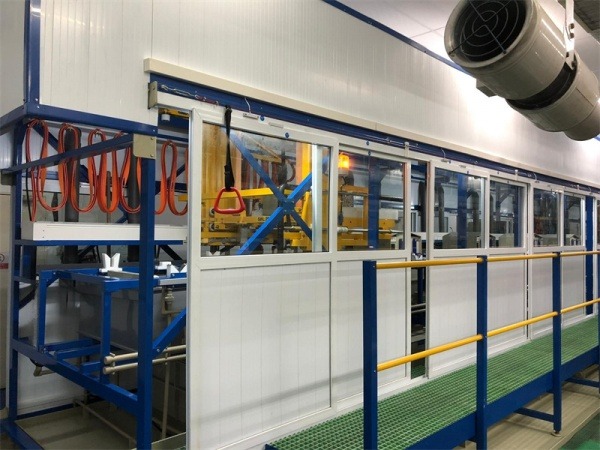
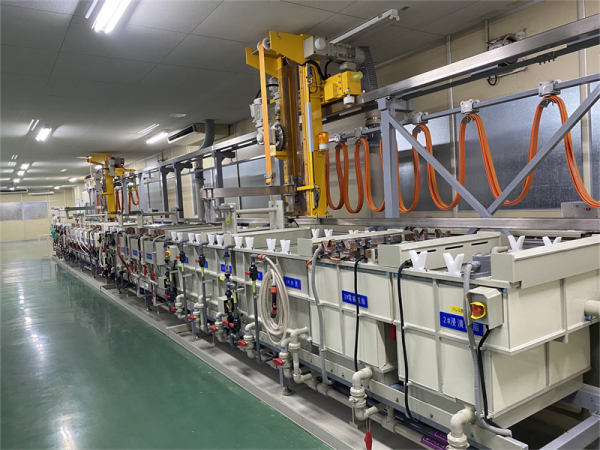
A: Our equipment solutions support a wide range of plating processes, including copper plating, nickel plating, chromium plating, tin plating, gold plating, silver plating, and alloy plating (such as tin-cobalt alloy and nickel-phosphorus alloy). Configurations can be customized according to the specific product requirements of our clients.
Products
A wide range of products
Contact Us
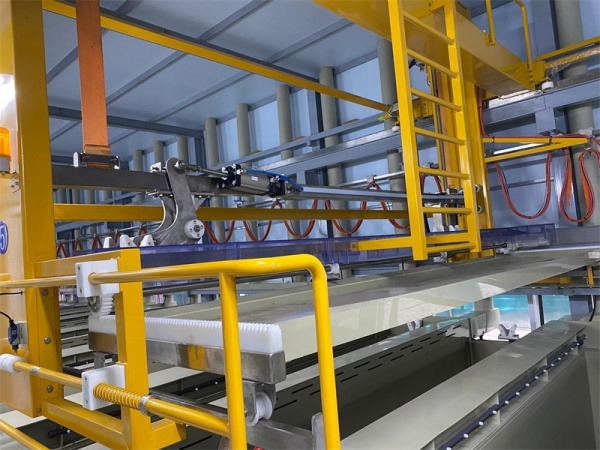
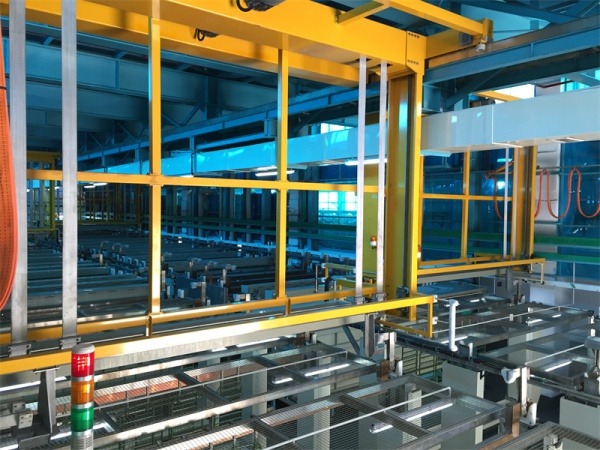
Gantry-Type Electroplating Equipment
Application Scenarios & Advantages
This system is ideal for small-batch, multi-variety electroplating (zinc, copper, nickel, chromium, tin, gold, silver, phosphating, oxidation, electrocoating, electroless plating, etc.) and supports rack, barrel, vibration sieve, and rotary plating, with flexible program control enabling mixed-variety processing and intelligent switching to maximize throughput. Its compact, stable hoist design offers optional liquid catchment, dehydration, and enclosed exhaust, while anti-slip tracks, auxiliary braking, and programmable controls ensure reliable operation in alkaline, humid environments. Multi-directional agitation, optimized piping, jet-flow, improved electrode layout, and high-current shielding further enhance coating uniformity, shorten cycle times, and reduce material usage.
This system is ideal for small-batch, multi-variety electroplating (zinc, copper, nickel, chromium, tin, gold, silver, phosphating, oxidation, electrocoating, electroless plating, etc.) and supports rack, barrel, vibration sieve, and rotary plating, with flexible program control enabling mixed-variety processing and intelligent switching to maximize throughput. Its compact, stable hoist design offers optional liquid catchment, dehydration, and enclosed exhaust, while anti-slip tracks, auxiliary braking, and programmable controls ensure reliable operation in alkaline, humid environments. Multi-directional agitation, optimized piping, jet-flow, improved electrode layout, and high-current shielding further enhance coating uniformity, shorten cycle times, and reduce material usage.
Motorcycle and Automotive Electroplating Equipment
Motorcycle and Automotive Electroplating Equipment is designed to meet the diverse needs of various parts, including zinc, zinc-nickel, copper-nickel-chrome, hard chrome, plastic interior and exterior electroplating, aluminum plating, as well as anodizing and passivation. The equipment is tailored and configured based on the specific requirements of different sub-industries, ensuring optimal electroplating solutions for each product.Sanitary Ware Electroplating Equipment
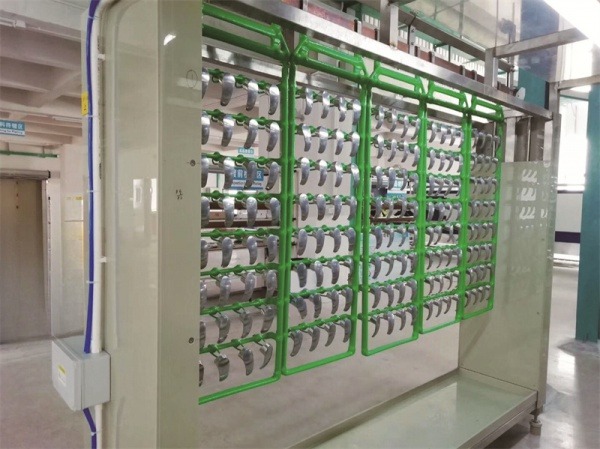
Sanitary Ware Electroplating Equipment is designed to accommodate the primary materials of bathroom products, including zinc alloys, copper, stainless steel, aluminium, and plastics. The equipment structure and design are adjusted based on the complexity of product cavities, enhancing the internal cleaning effectiveness. Additionally, it ensures a balanced distribution of electric current across high and low areas of the product, preventing issues such as burning, uneven plating, or missing coat.Lock Electroplating Equipment
The Lock Electroplating Equipment adheres to the principle of meticulous craftsmanship, optimizing the electroplating process and equipment configuration to enhance the deep plating capability for blind holes and threaded holes in locks. At the same time, the flexible control of the program allows for the customization of multiple colors in the electroplating process, meeting diverse customer needs.Electronic Electroplating Equipment
The Electronic Electroplating Equipment features a unique oscillating structure design that enhances the impact between the auxiliary materials and the interior of deep blind holes, effectively cleaning the holes and creating favorable conditions for subsequent electroplating processes. Additionally, the design of theworkpiece carrier prevents the bending of parts, thereby improving the electroplating yield rate.Precision Roller Plating Equipment
Precision Roller Plating Equipment is primarily used in the electronic plating sector, where products are small, prone to deformation, and susceptible to material jamming. As such, the roller barrel structure is more refined, and the equipment’s transmission system is designed for greater reliability. Additionally, it is essential to maintain continuous electrical conductivity to ensure the quality of the roller plating process.
FREQUENTLY ASKED QUESTIONS
Product FAQ's
-
Q1: What plating types are your electroplating equipment solutions suitable for?
-
Q2: How do you ensure the stability and consistency of electroplating quality?
A: From the planning stage, we consider critical factors such as current density distribution, electric field uniformity, and bath circulation methods to ensure coating quality. Our production lines are equipped with automated monitoring systems that regulate parameters including current, temperature, and pH value in real time, guaranteeing consistent coating thickness, adhesion, and appearance in mass production.
-
Q3: What are the common plating defects and how can they be avoided?
A: Common defects include poor adhesion, pitting, burning, uneven color, and peeling. These are often related to bath composition, current density, temperature, and impurity contamination. Our pre-sales planning optimizes process parameters for your specific product characteristics, and our after-sales technical team can assist in quickly diagnosing and resolving any production issues that arise.
-
Q4: What discharge standards can your wastewater treatment system meet?
A: Our wastewater treatment system solutions are custom-designed according to the environmental requirements of your plant's location. They can meet the "Emission Standard of Pollutants for Electroplating" (GB21900-2008) as well as stricter local discharge limits, including compliant treatment of characteristic pollutants such as chromium, nickel, and cyanide.
-
Q5: What pollutants does the exhaust gas treatment system primarily handle?
A: The exhaust gases generated during electroplating processes mainly include hydrogen chloride, chromic acid mist, sulfuric acid mist, nitrogen oxides, hydrogen cyanide, and fluorides. Our exhaust gas treatment system solutions are equipped with corresponding purification devices tailored to different gas types, ensuring that both workshop air quality and boundary emissions fully comply with regulatory standards.

JOIN US
LOVE TO HEAR FROM YOU GET IN TOUCH!
Please fill out the form below and we will get back to you as soon as possible.